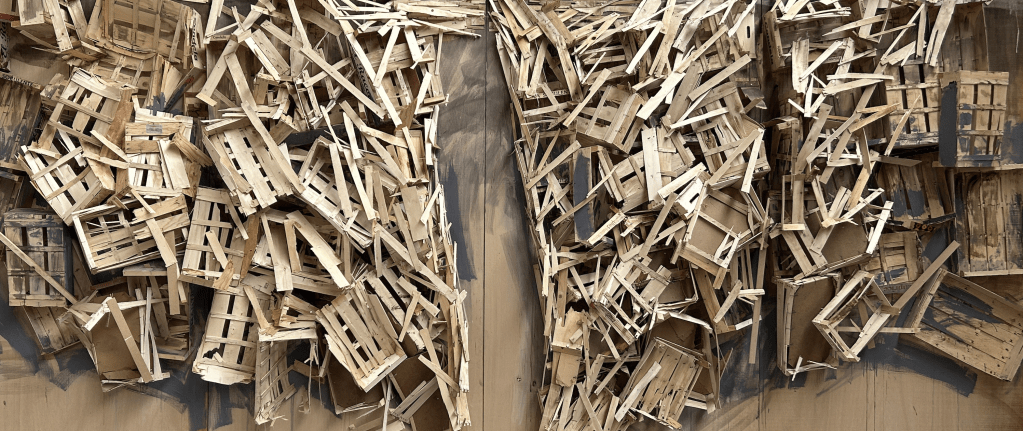
Maquettes
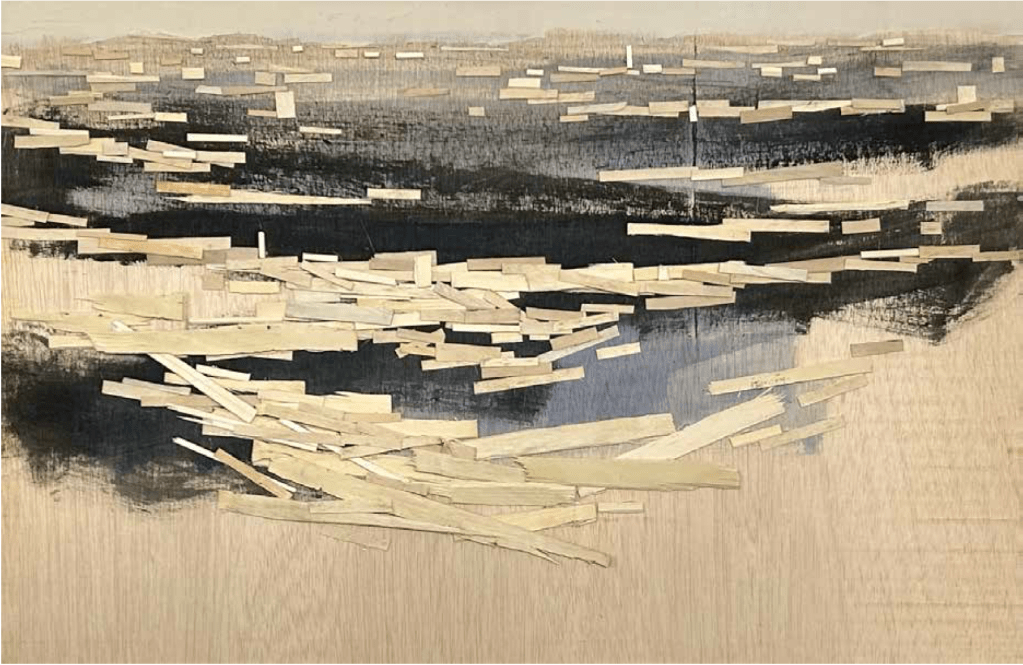
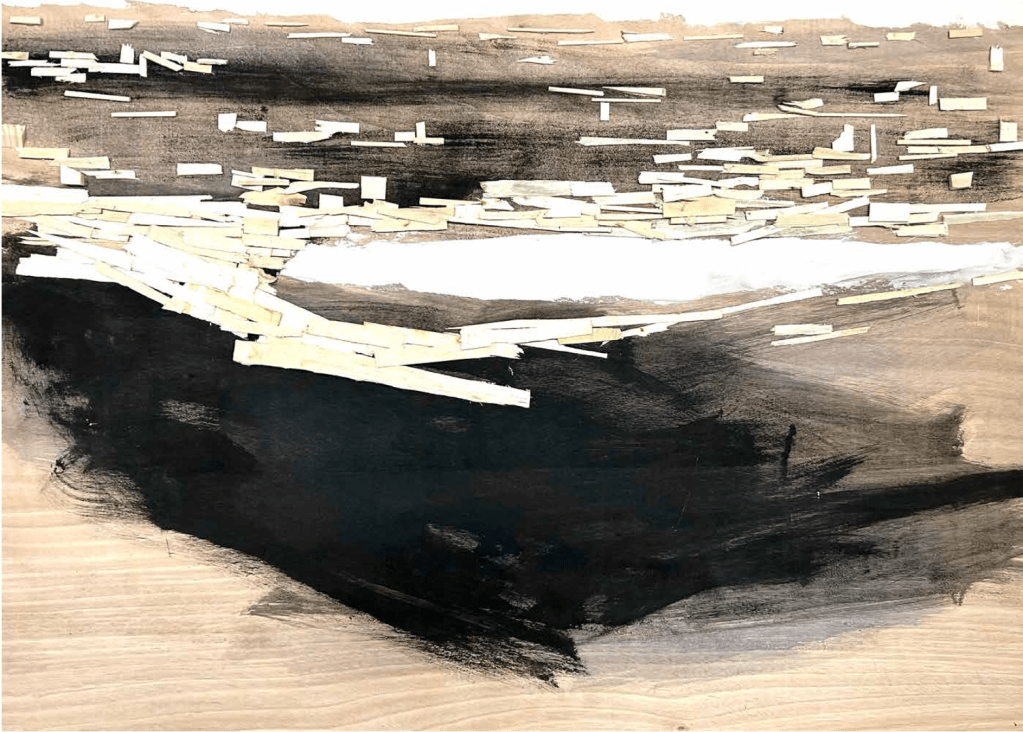
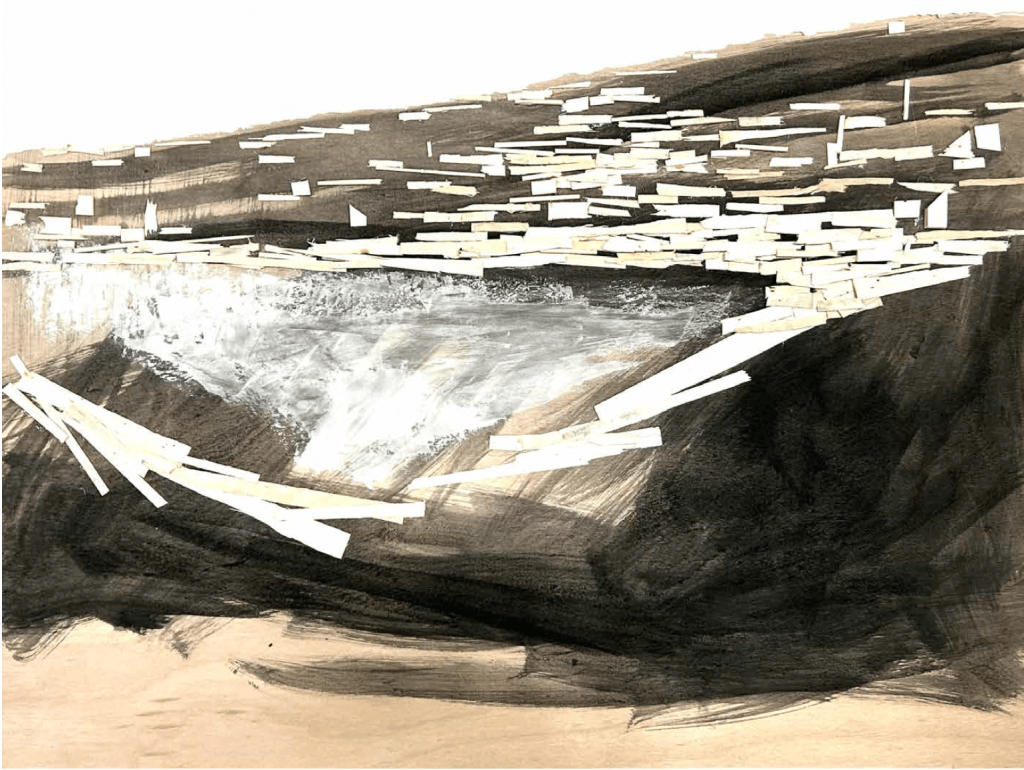
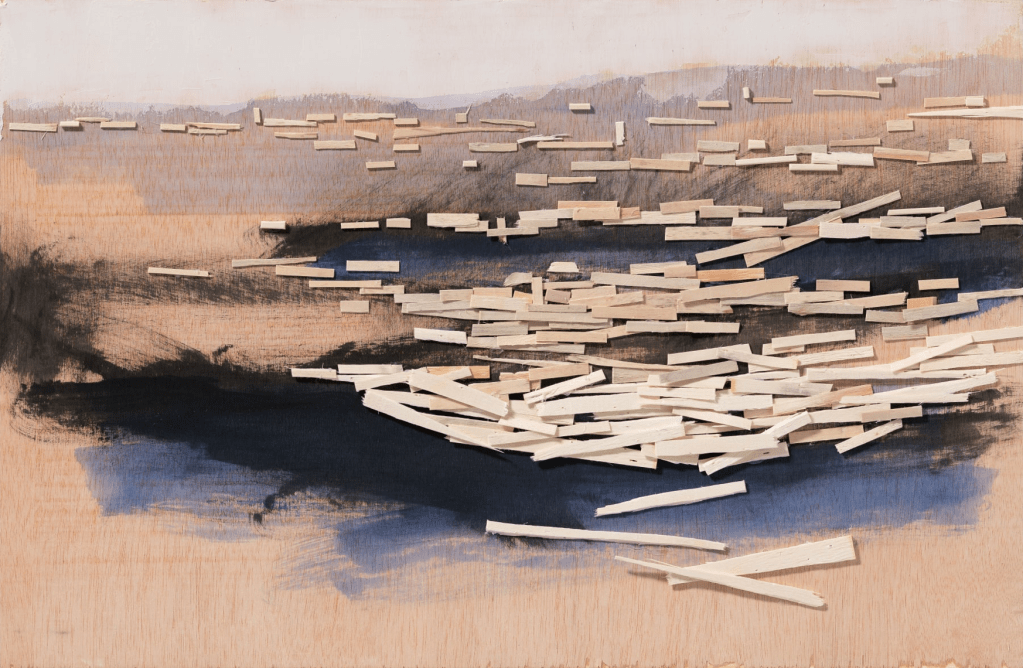
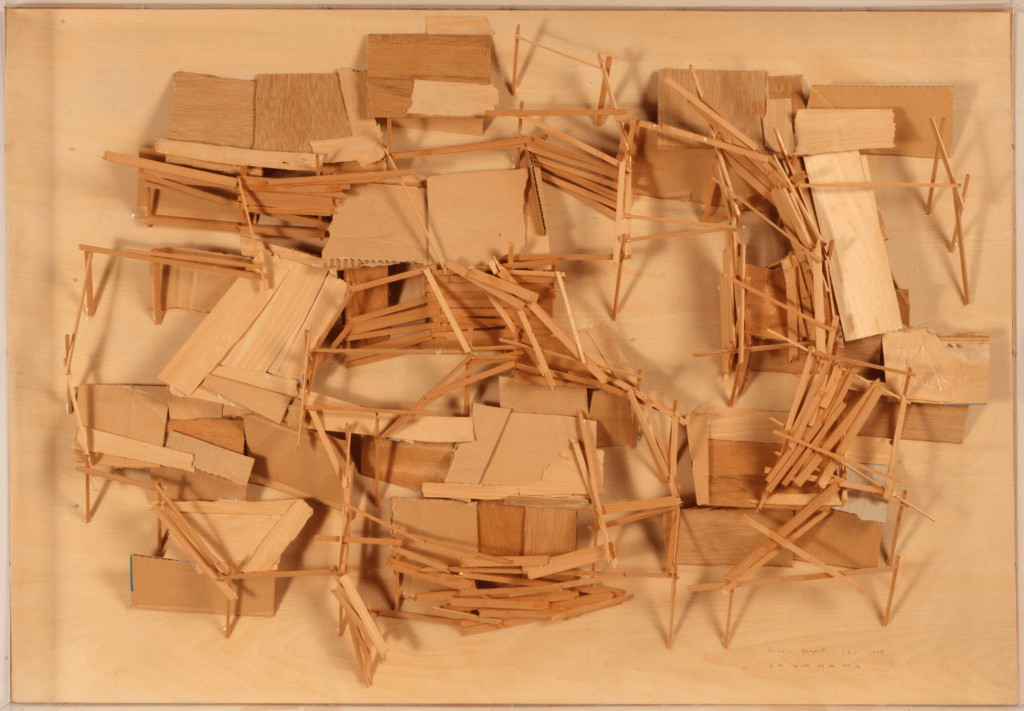
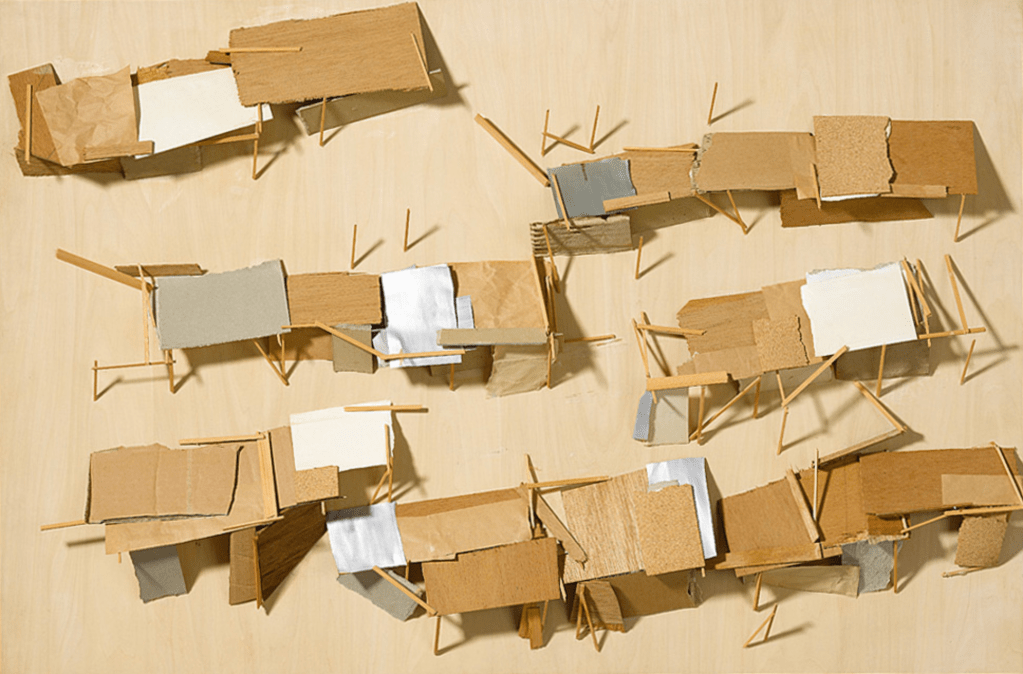
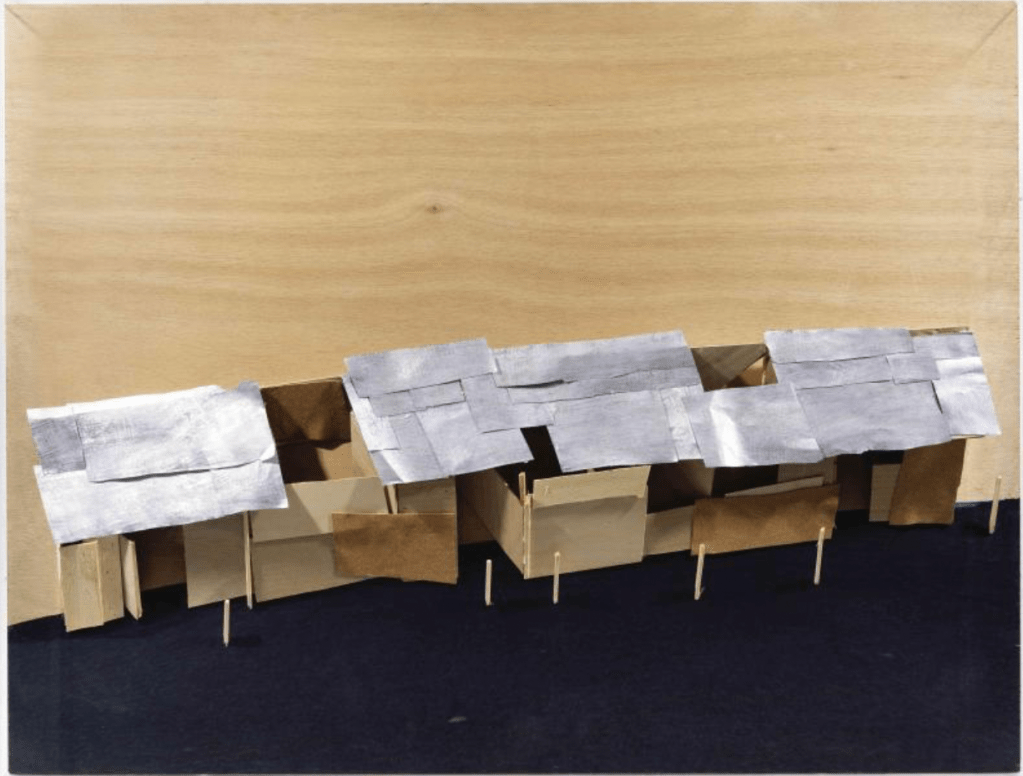
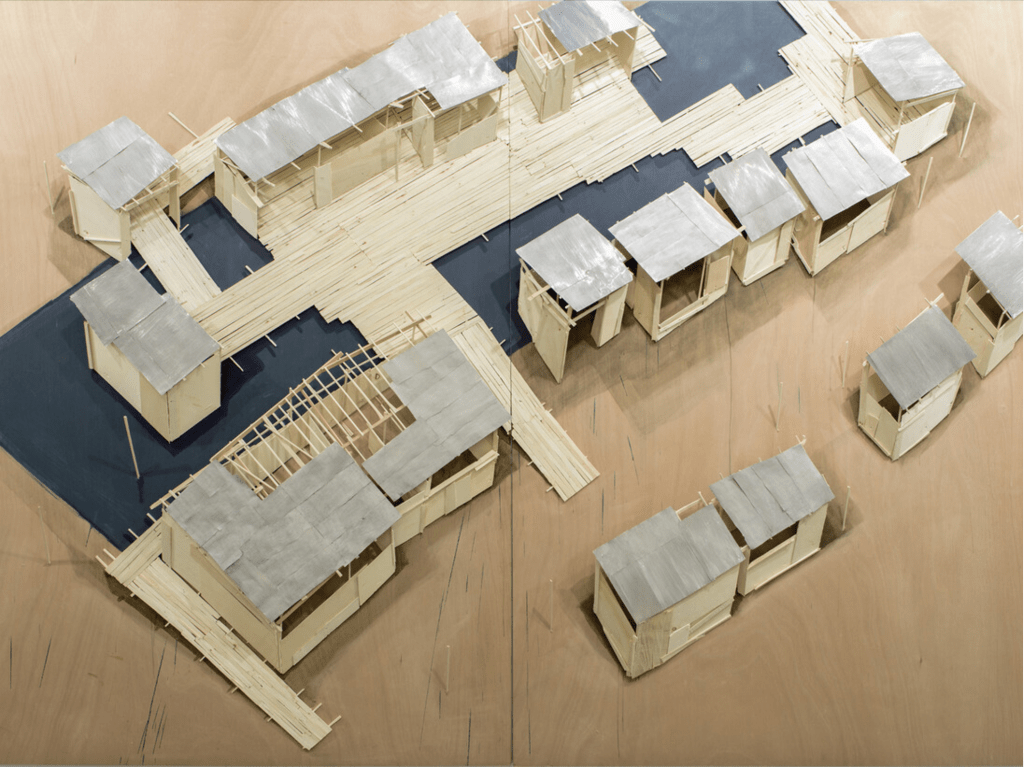
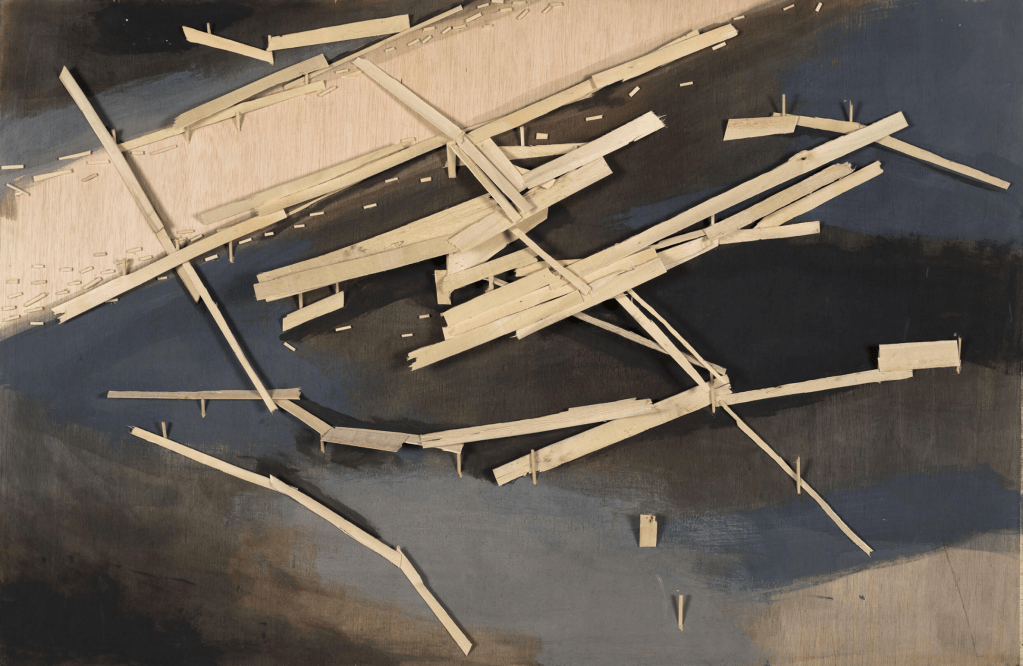
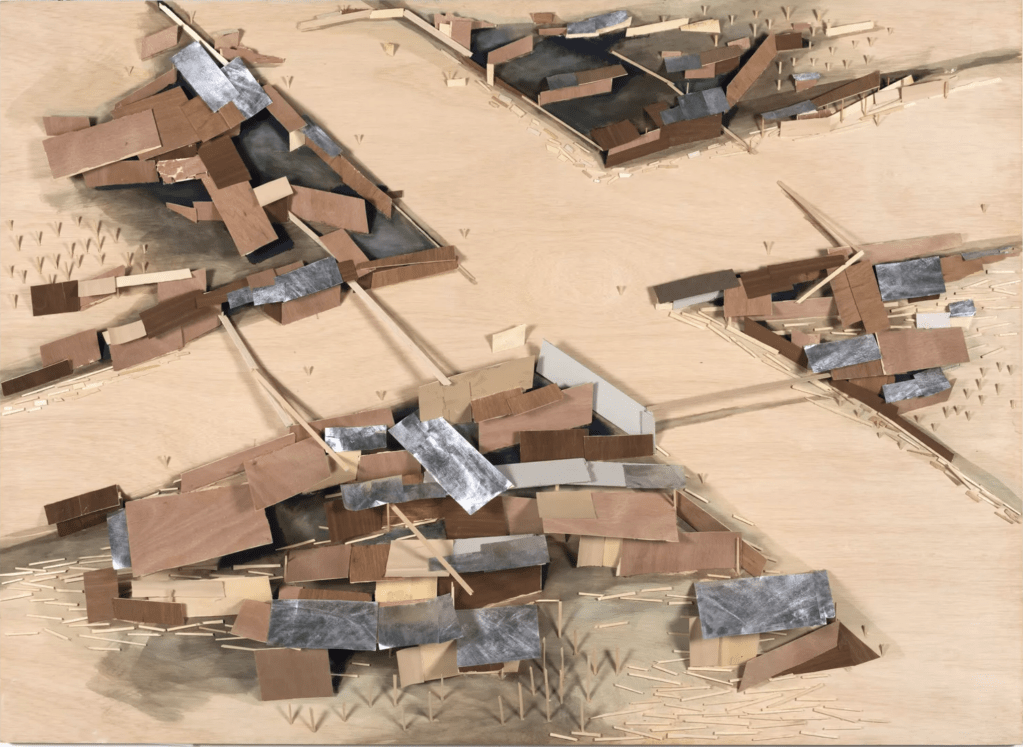
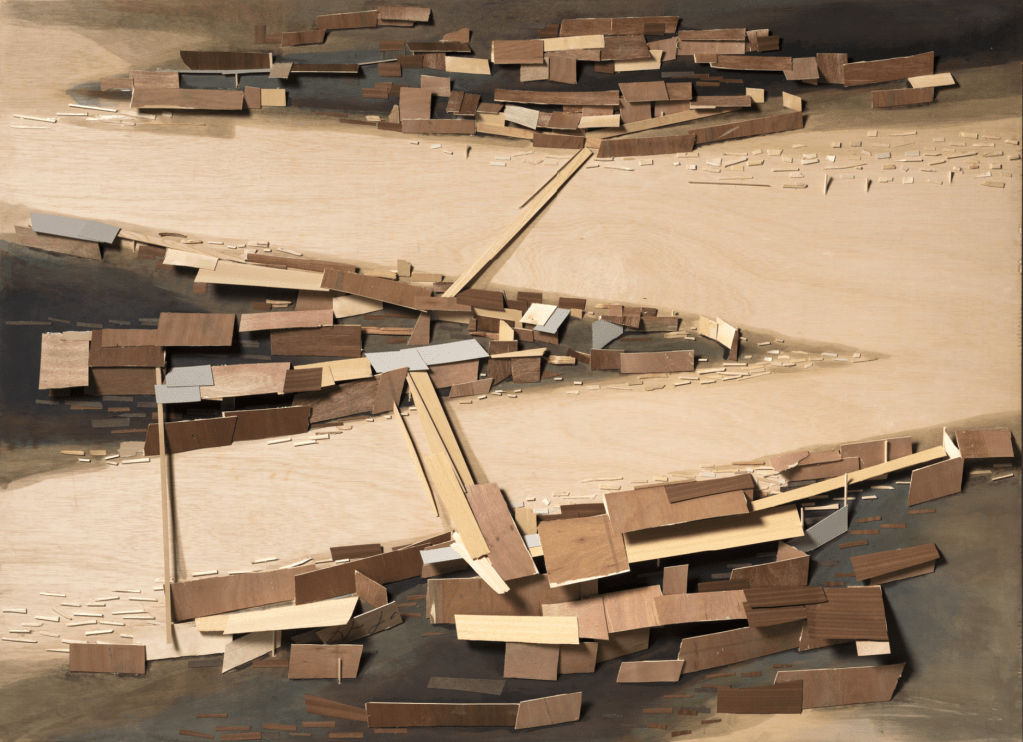
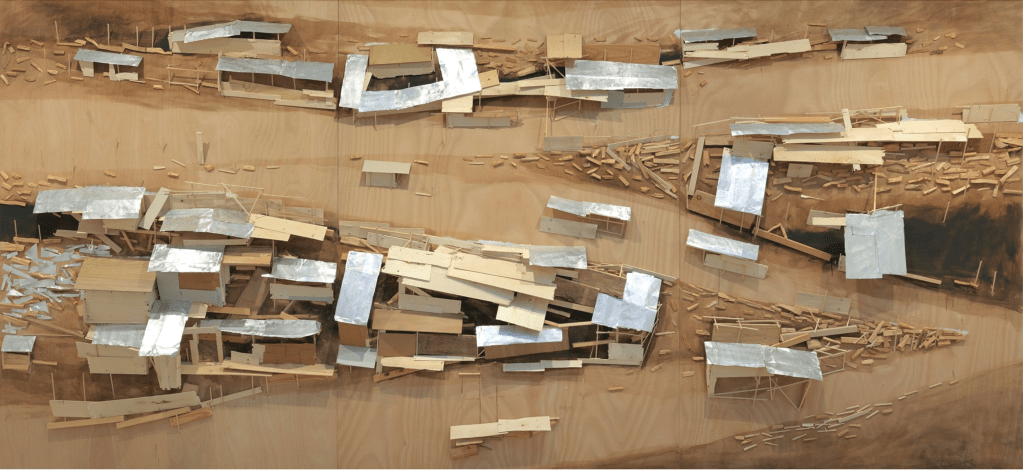
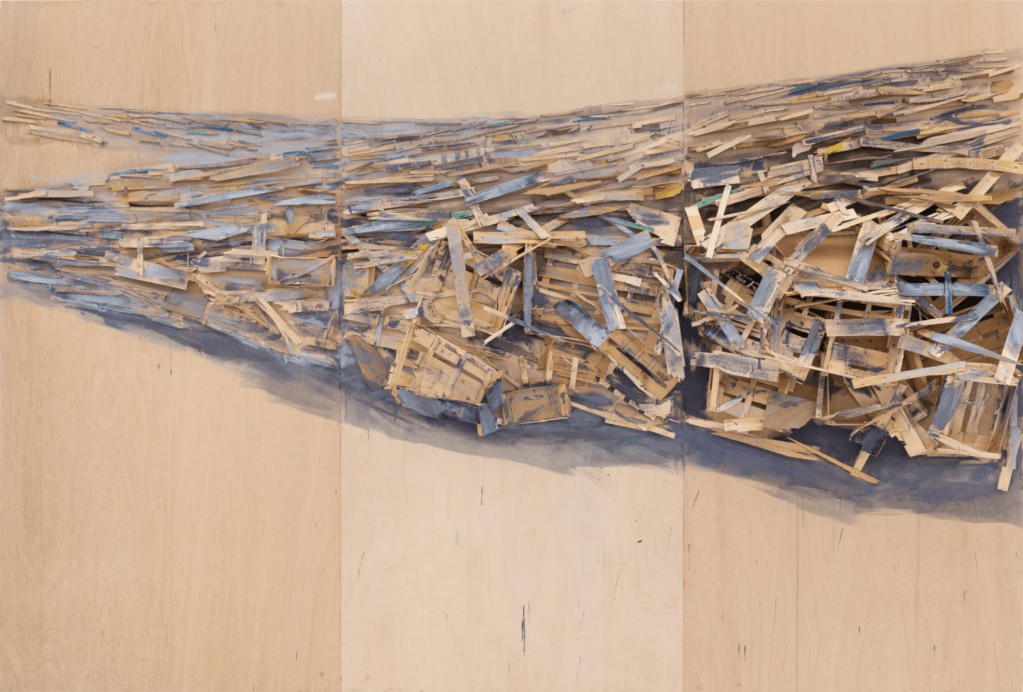
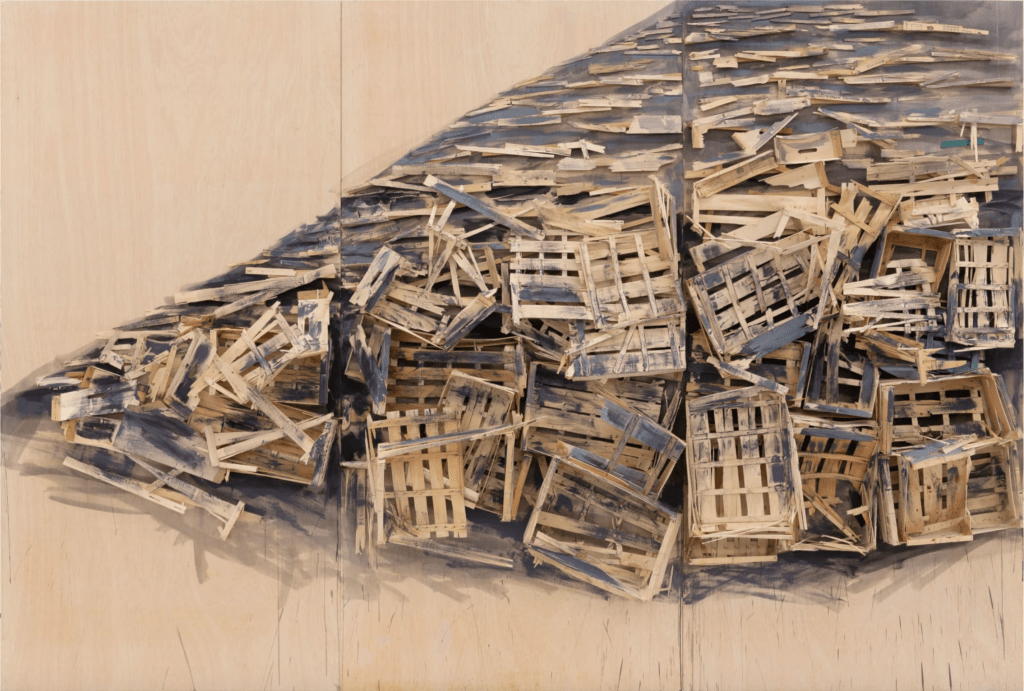
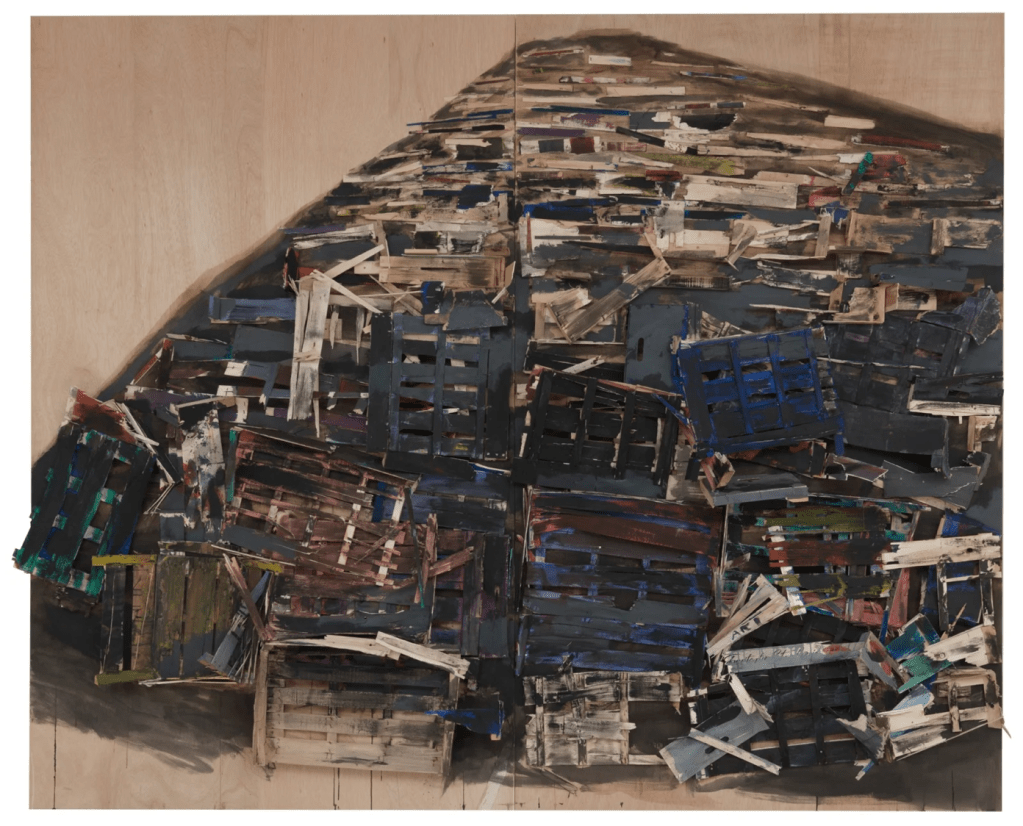
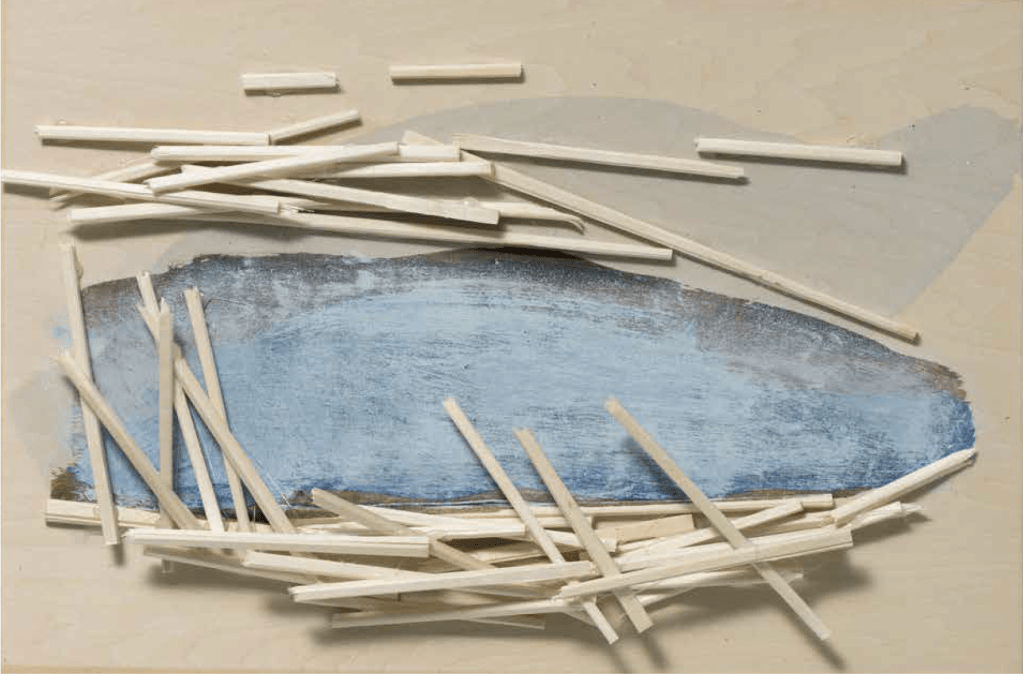
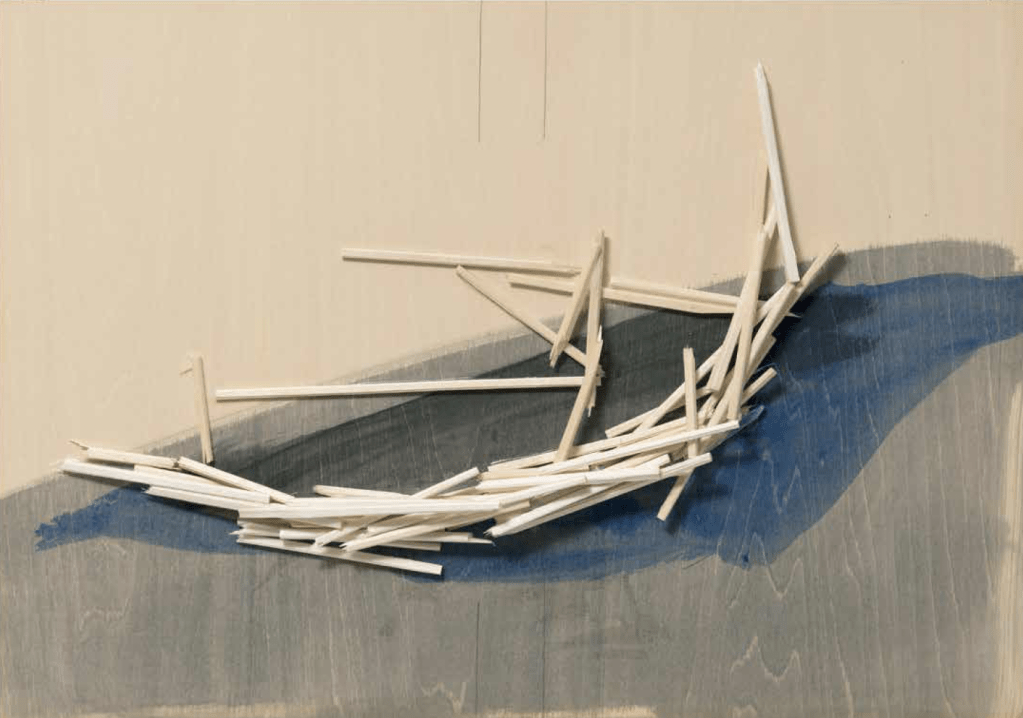
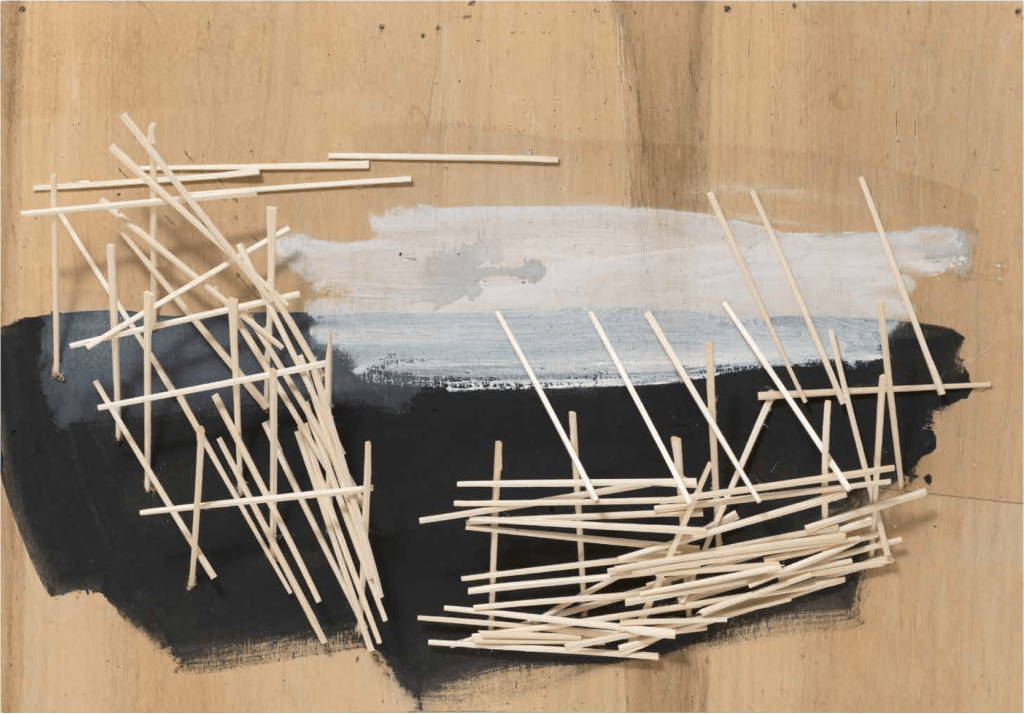
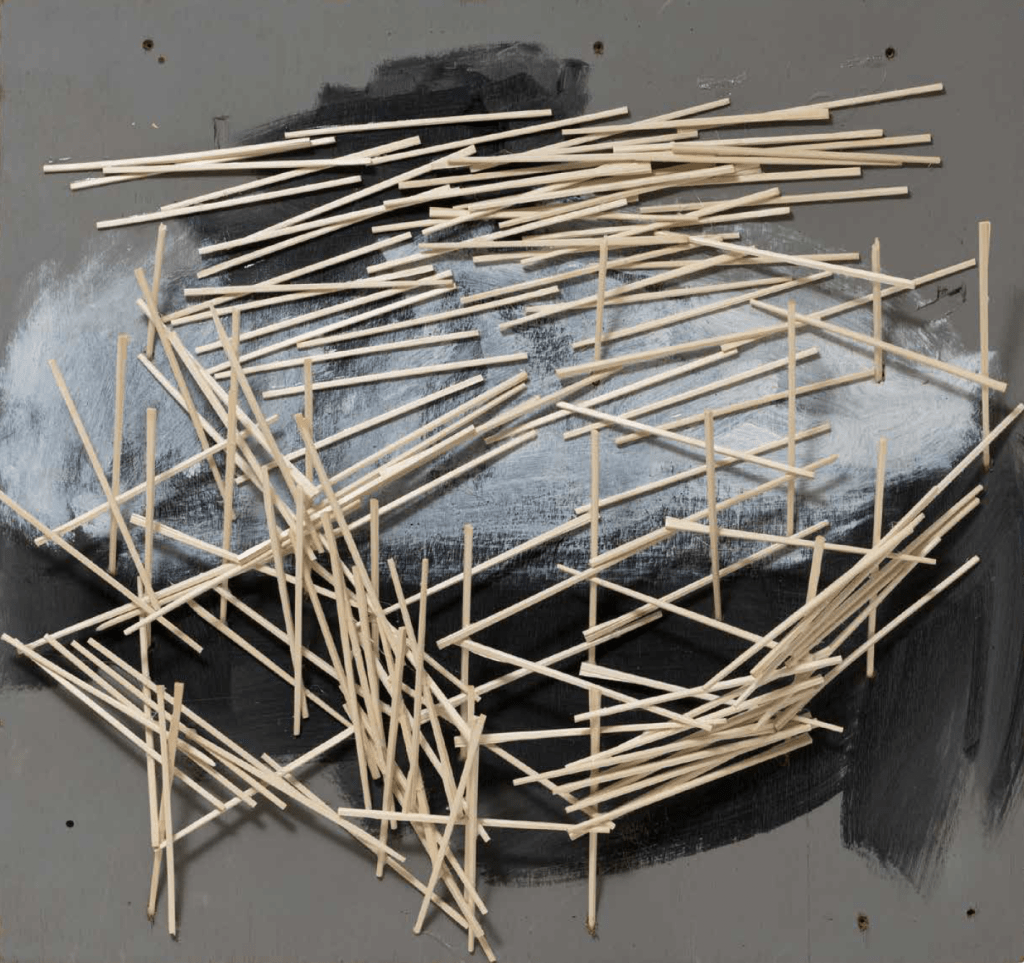
Kawamata began producing maquettes around 1980, during his years as a student at the Tokyo University of the Arts, and his fundamental method of gluing wooden pieces onto a painted board has remained unchanged ever since. He conceives these maquettes as works in their own right—autonomous objects whose creation offers him a solitary and reflective process, standing in contrast to his usual practice of participatory, in situ projects. Although some of them function as plans for upcoming installations—allowing him to visualize their spatial configuration—they extend far beyond the role of simple preparatory studies. At times, the artist creates maquettes without any specific project or location in mind, envisioning potential sites that may emerge in the future or exploring purely abstract formal possibilities.
“It is an essential part of the process to create models as studies to confirm the development of the actual works, but I cannot help but seek time in which I can create free maquettes unrelated to those. In a sense, at these times, my mind is absorbed into the wooden board, into its world. There, my senses can extend the image freely.” TK
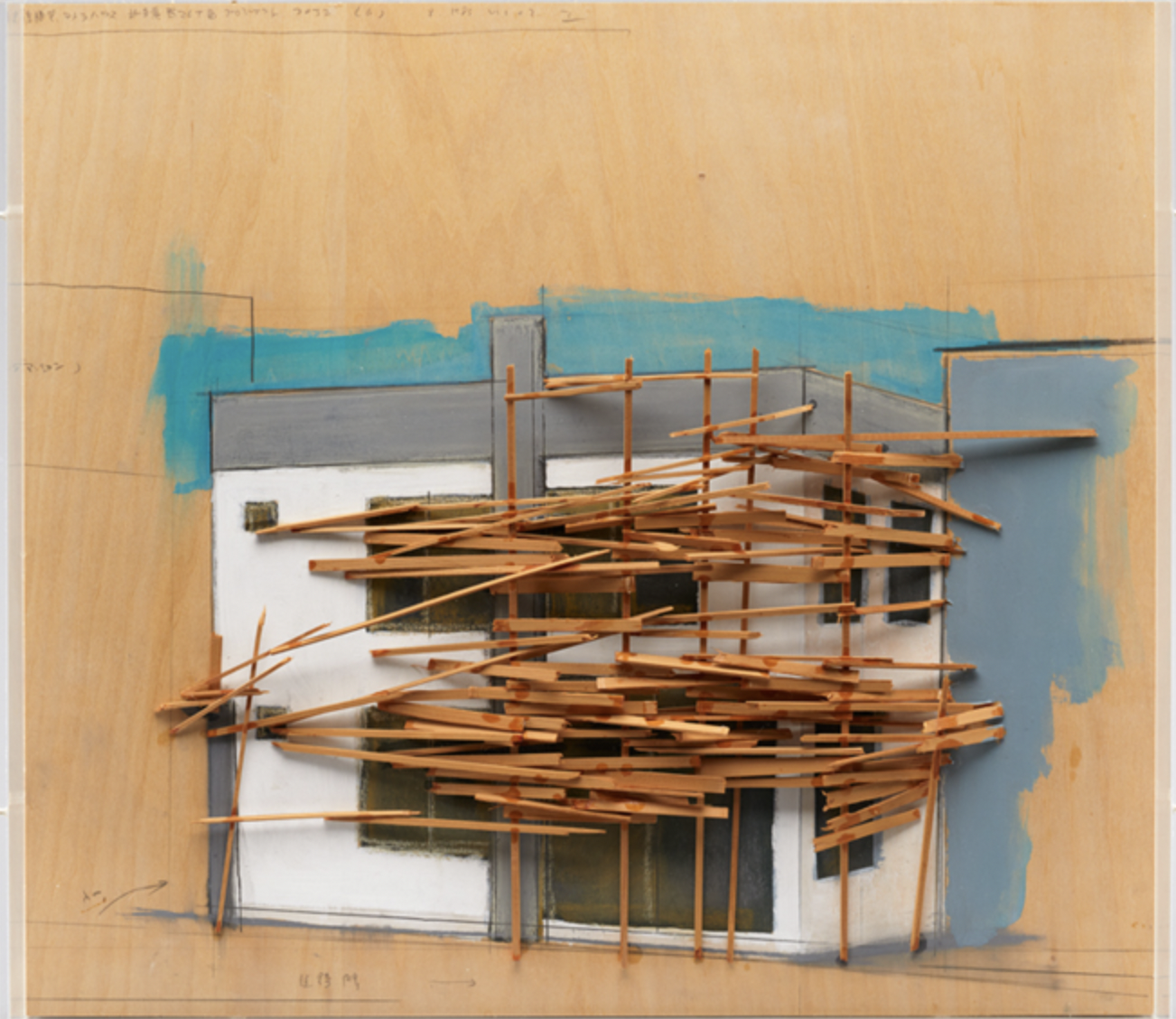
Tetra House Project Plan No.6 (1983) 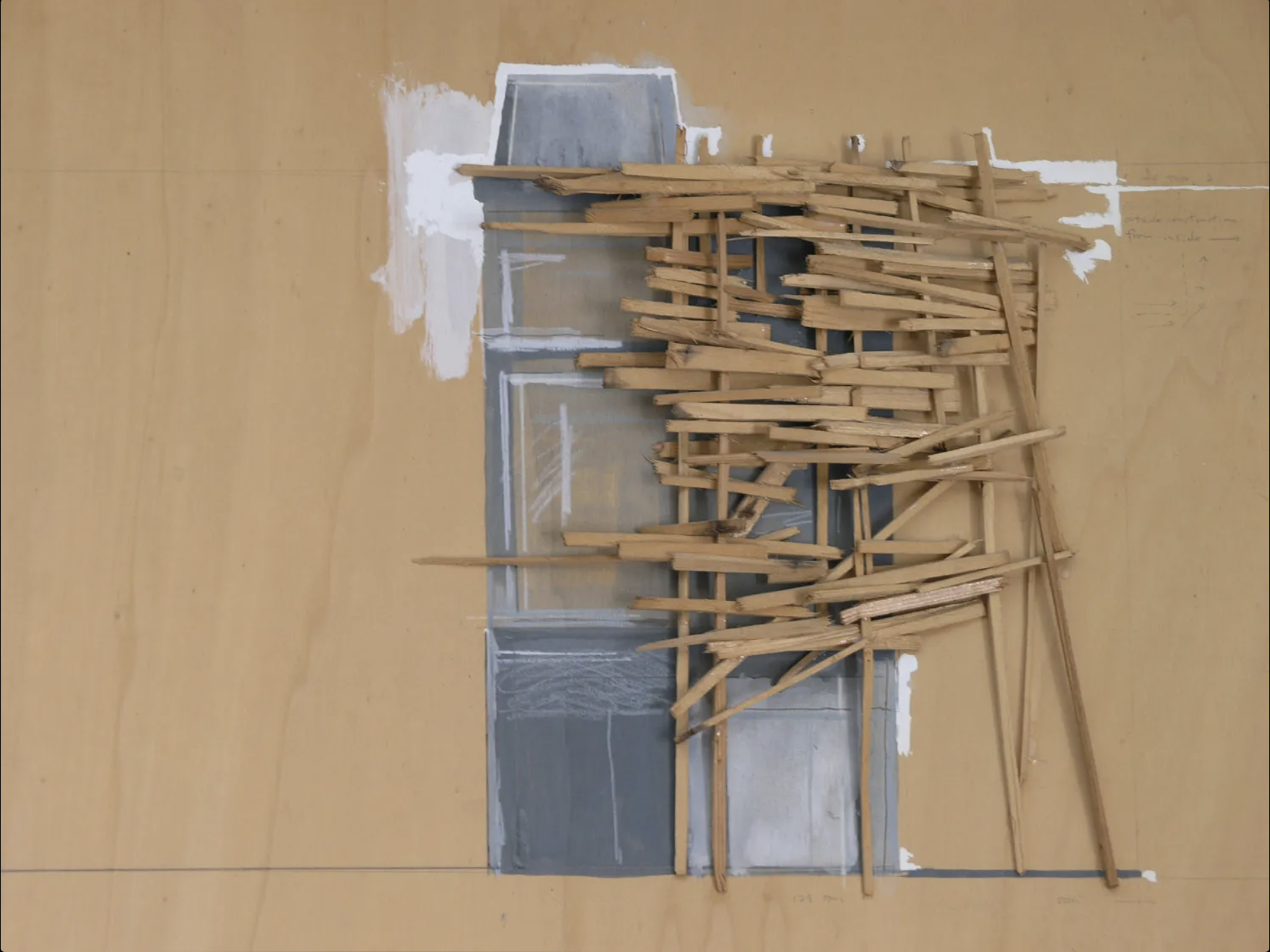
Spui Project Plan A (1986) 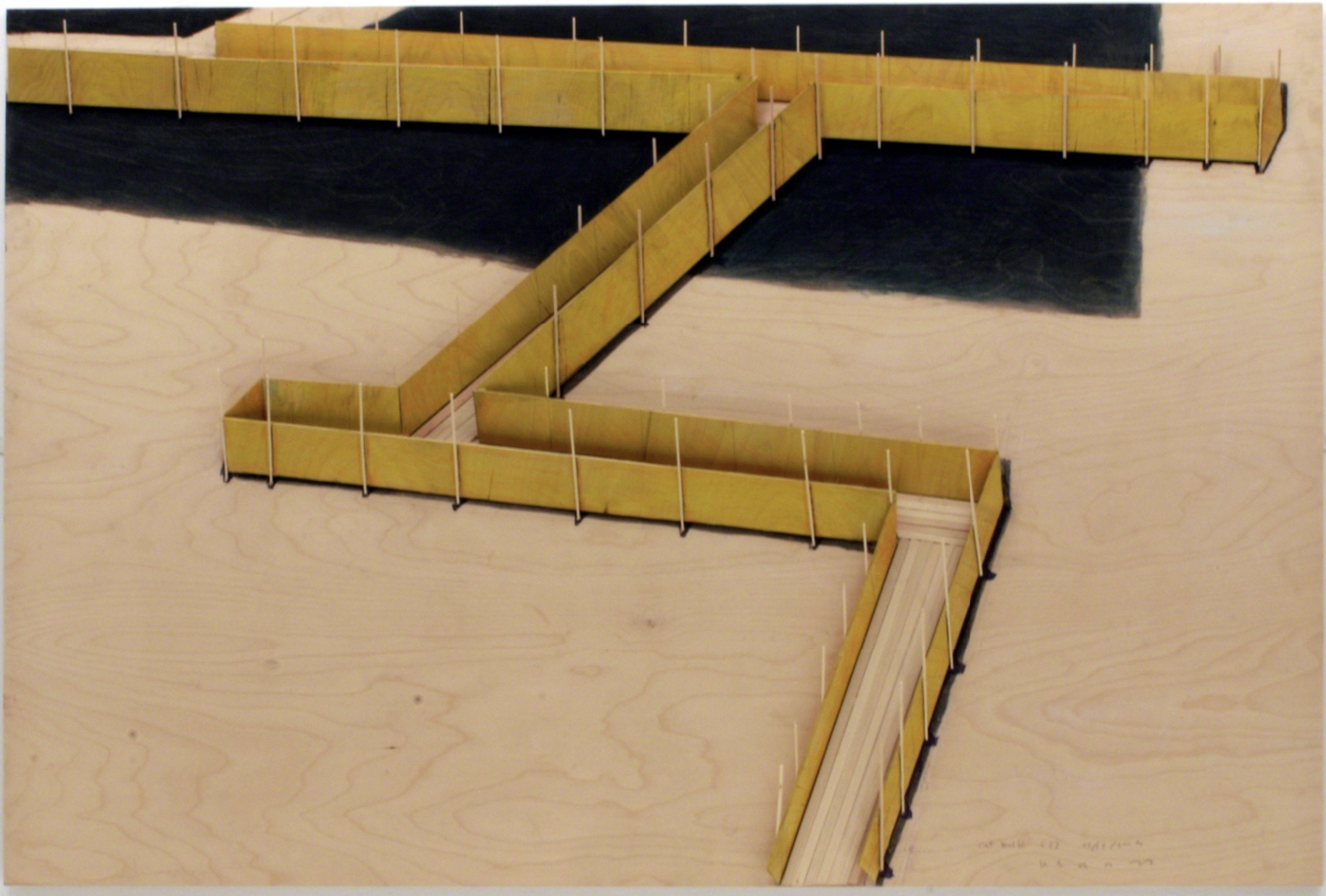
Catwalk no. 1 (2004) 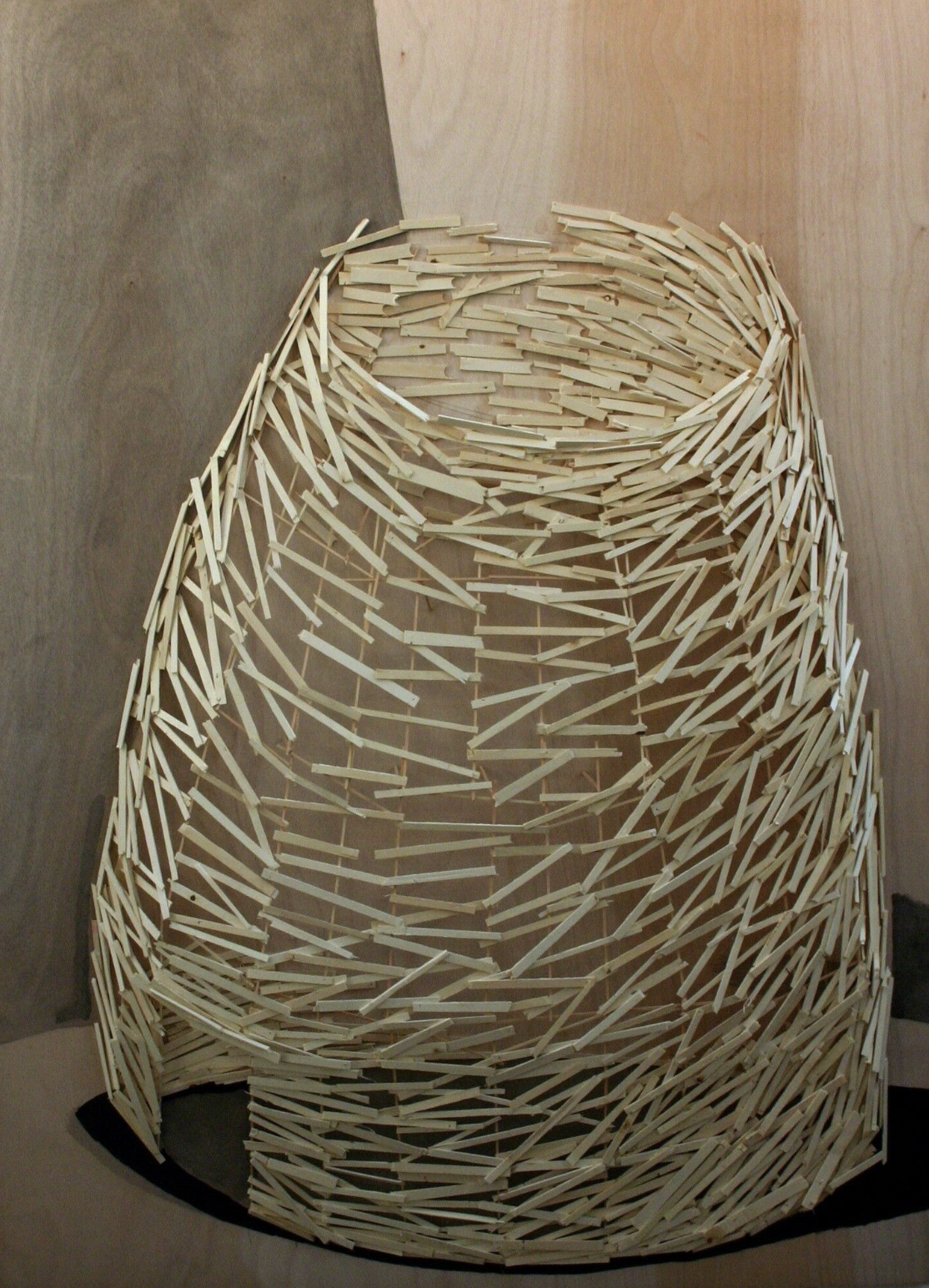
Cathédrale de Chaises No.14 (2007) 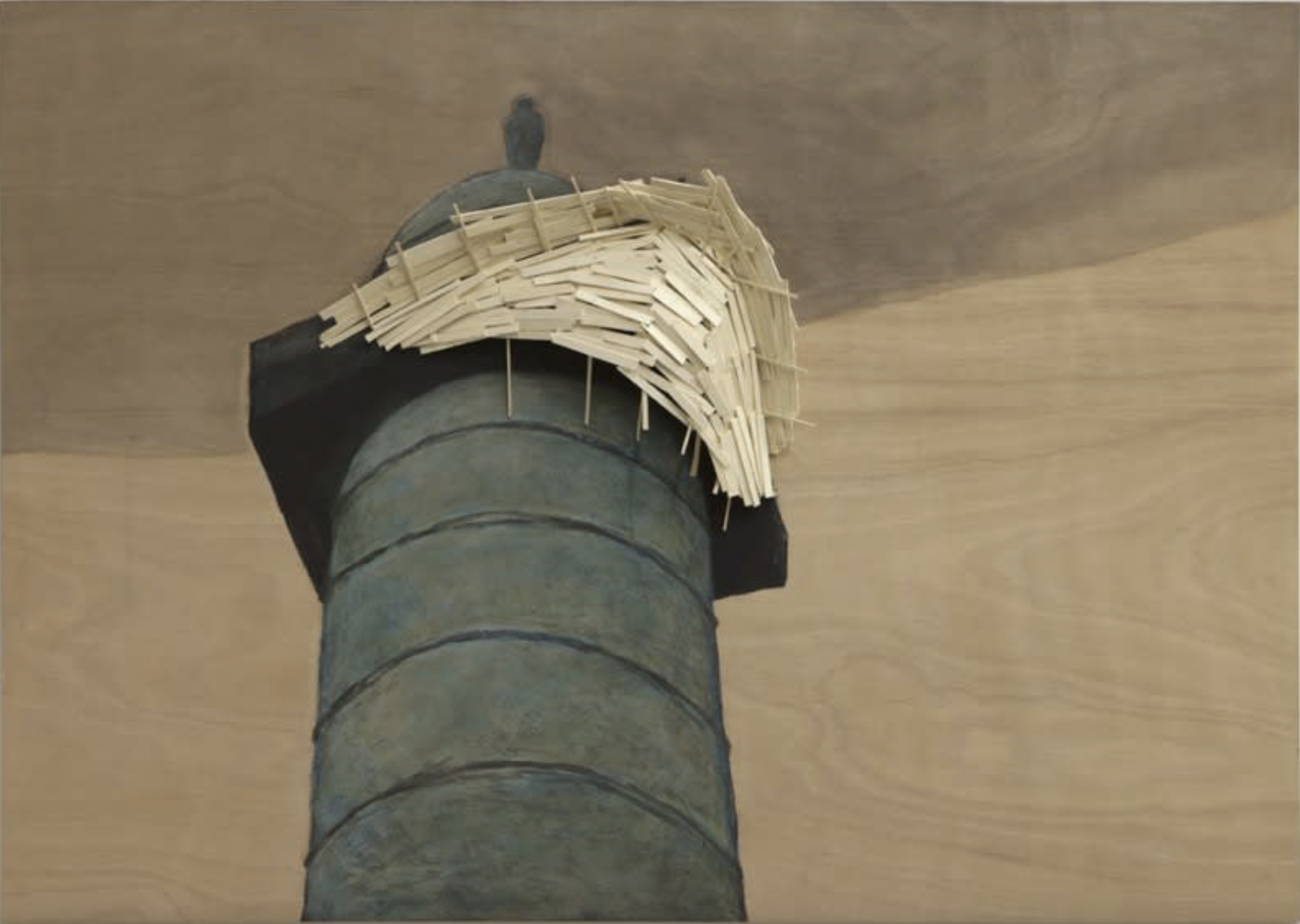
Plan for Place Vendôme No.10 (2013) 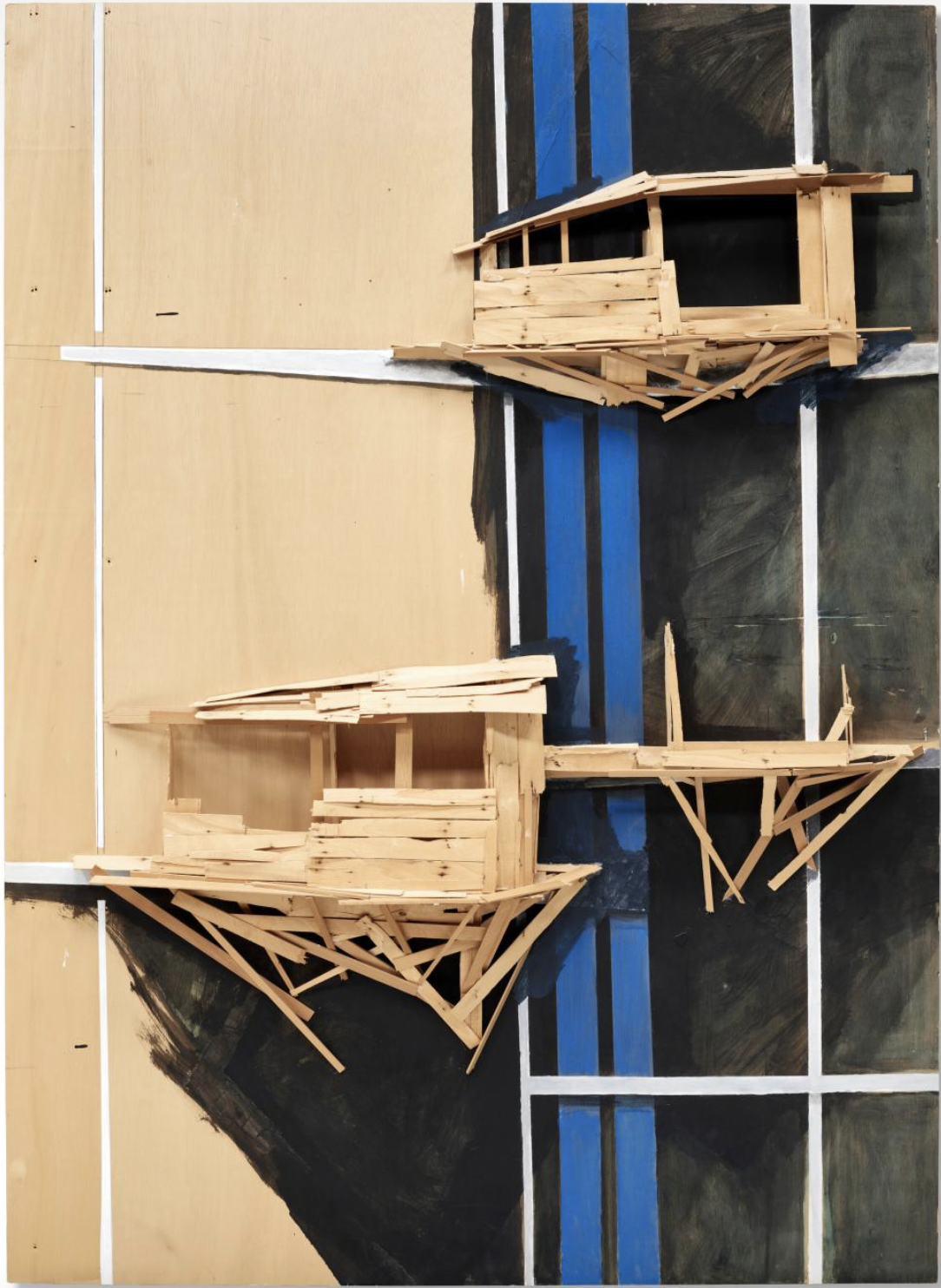
Tree Hut in Pompidou No.18 (2010) 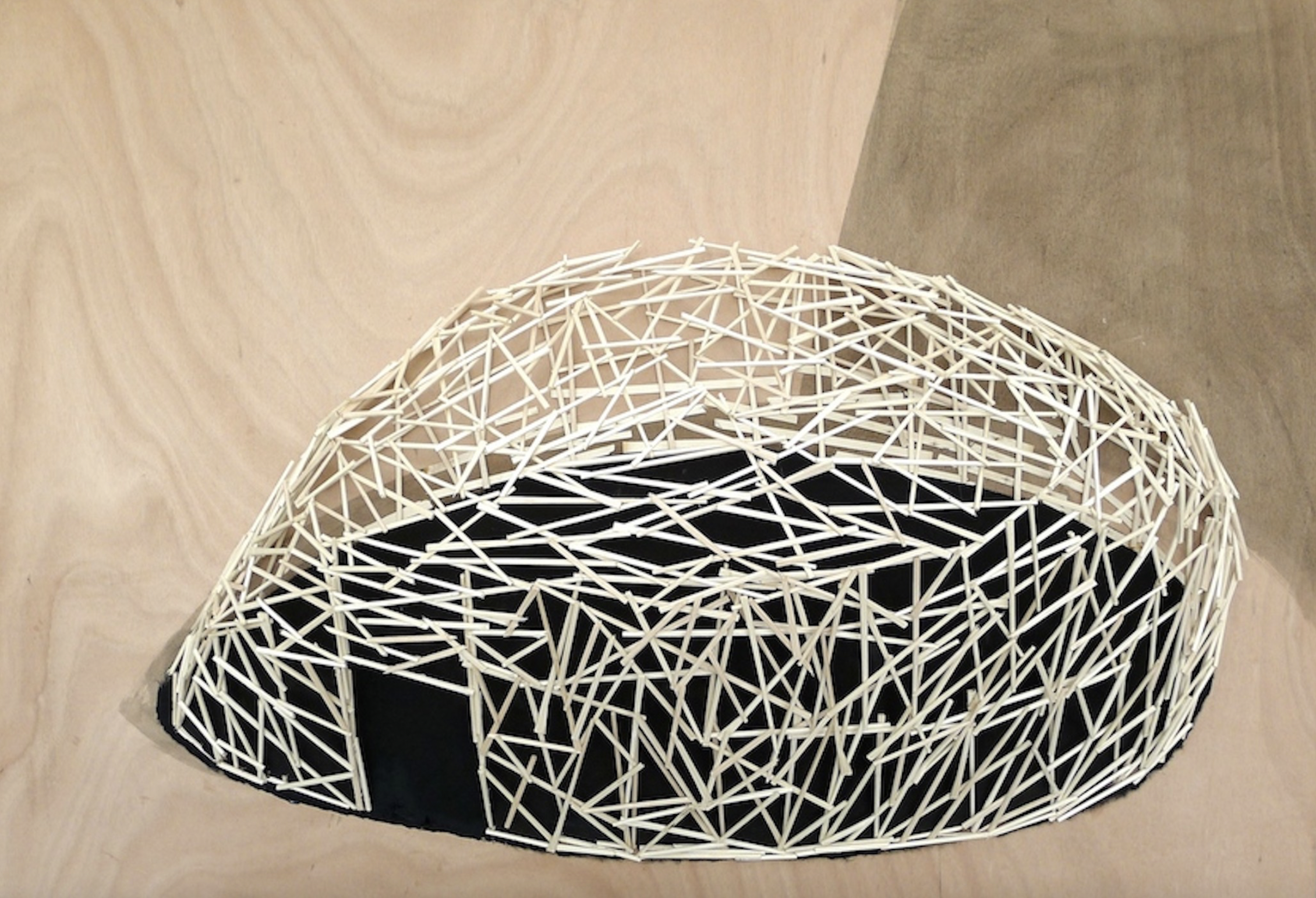
Dome Plan No.7 (2014) 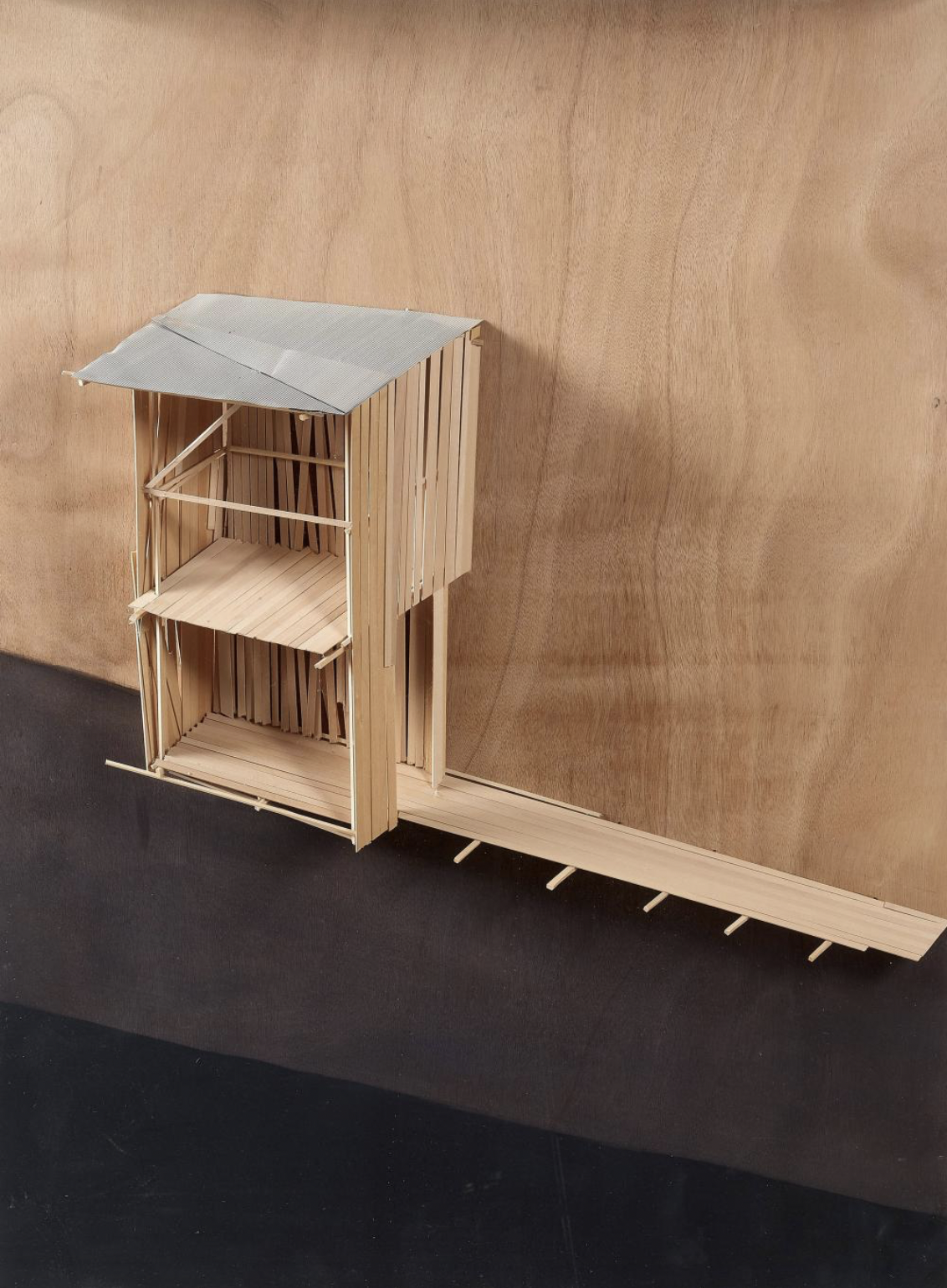
Plan for Lyon Tower No.3 (2013) 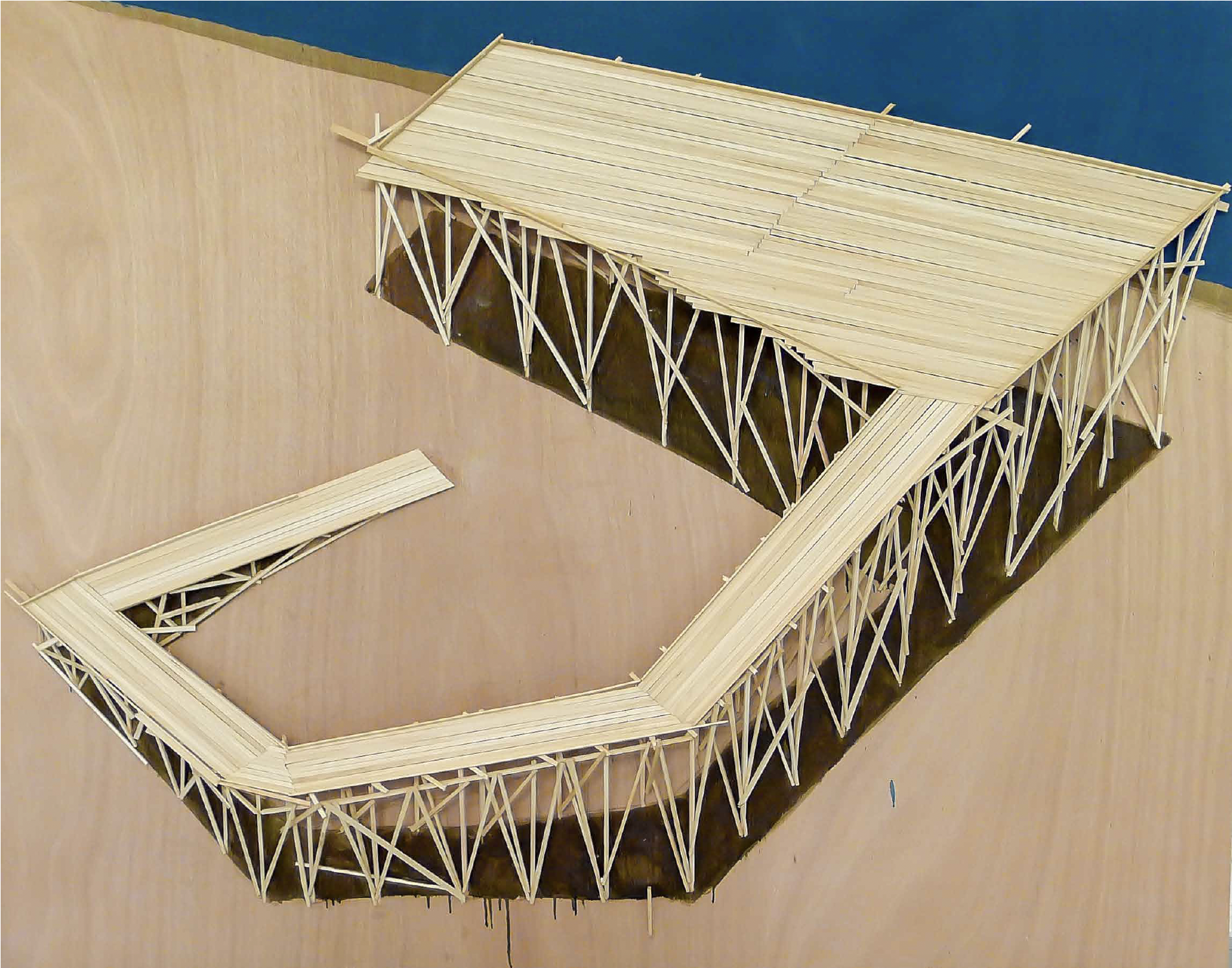
Tsukuda Terrace No.2 (2013) 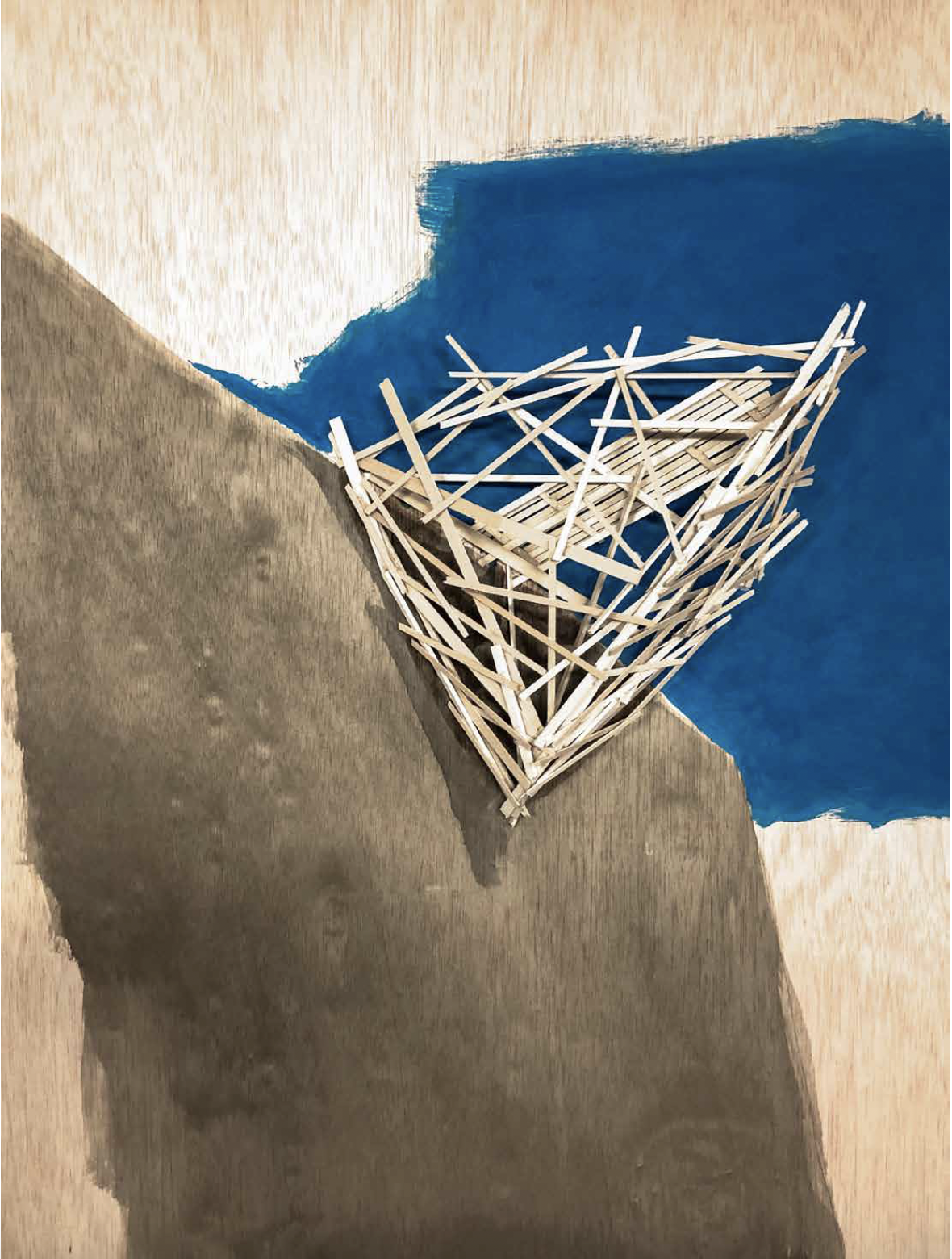
Belvedere Hermitage Nantes No.1 (2019) 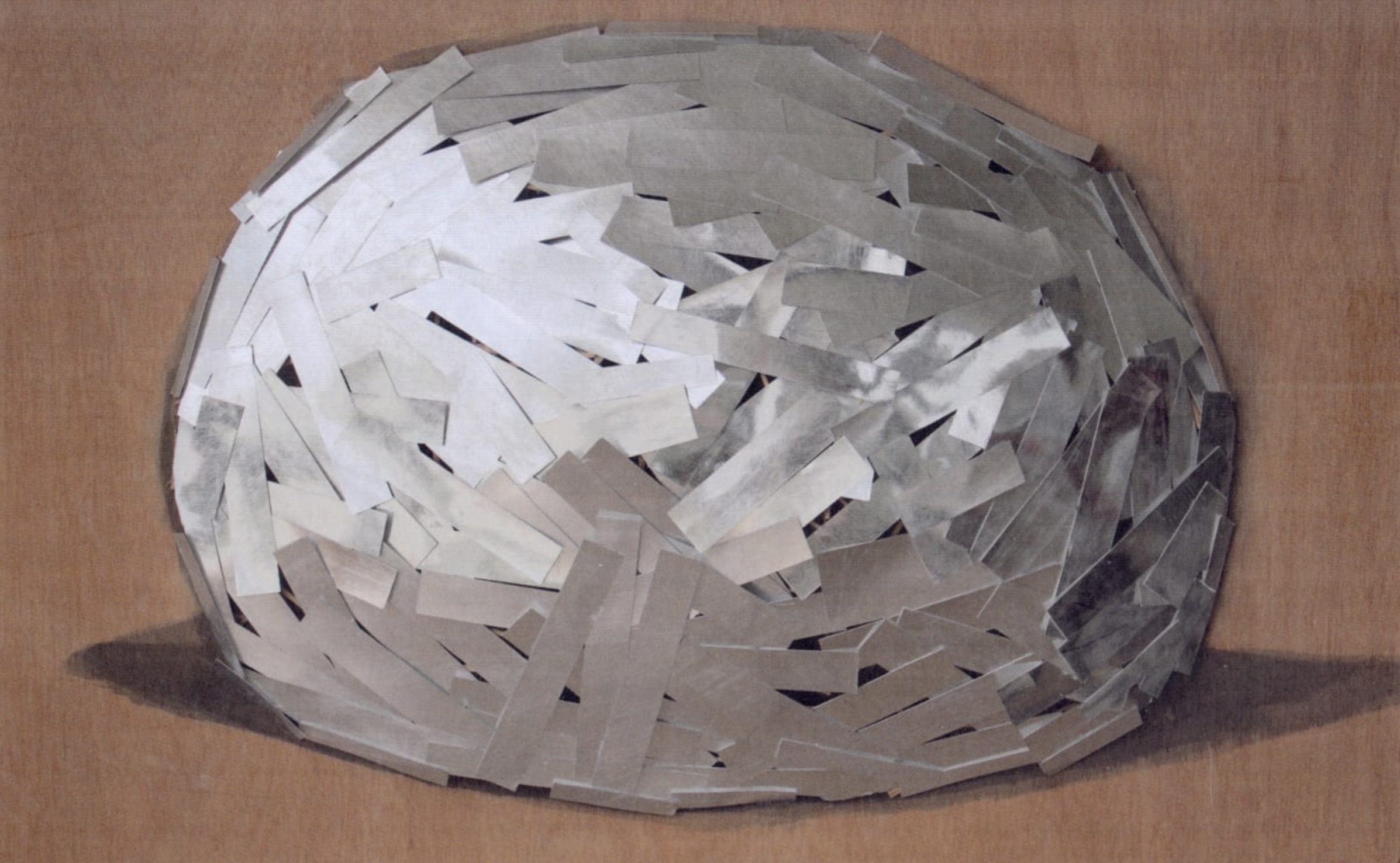
BankART Installation No.12 (2021) 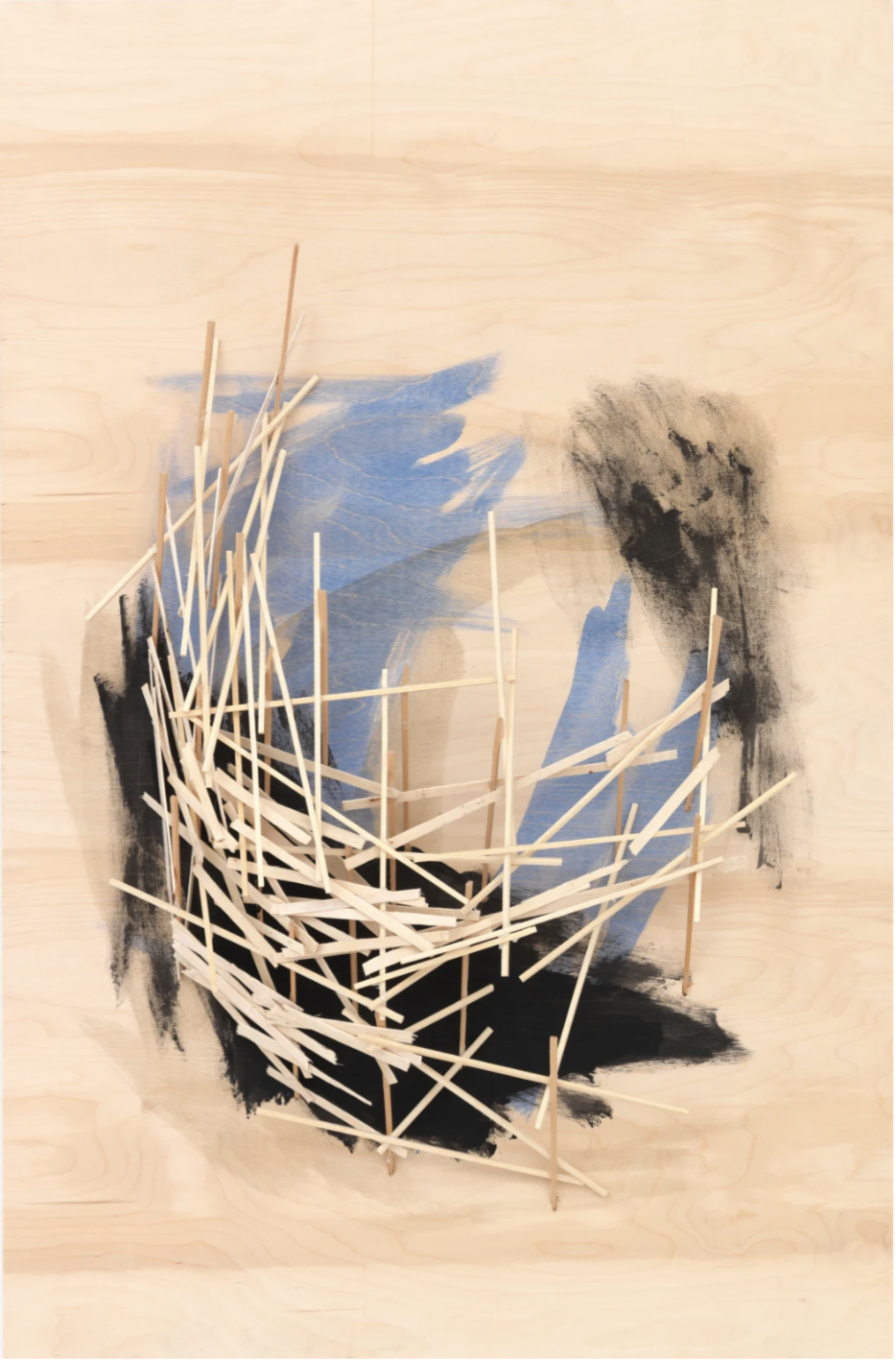
Building Plan no. 35 (2025)
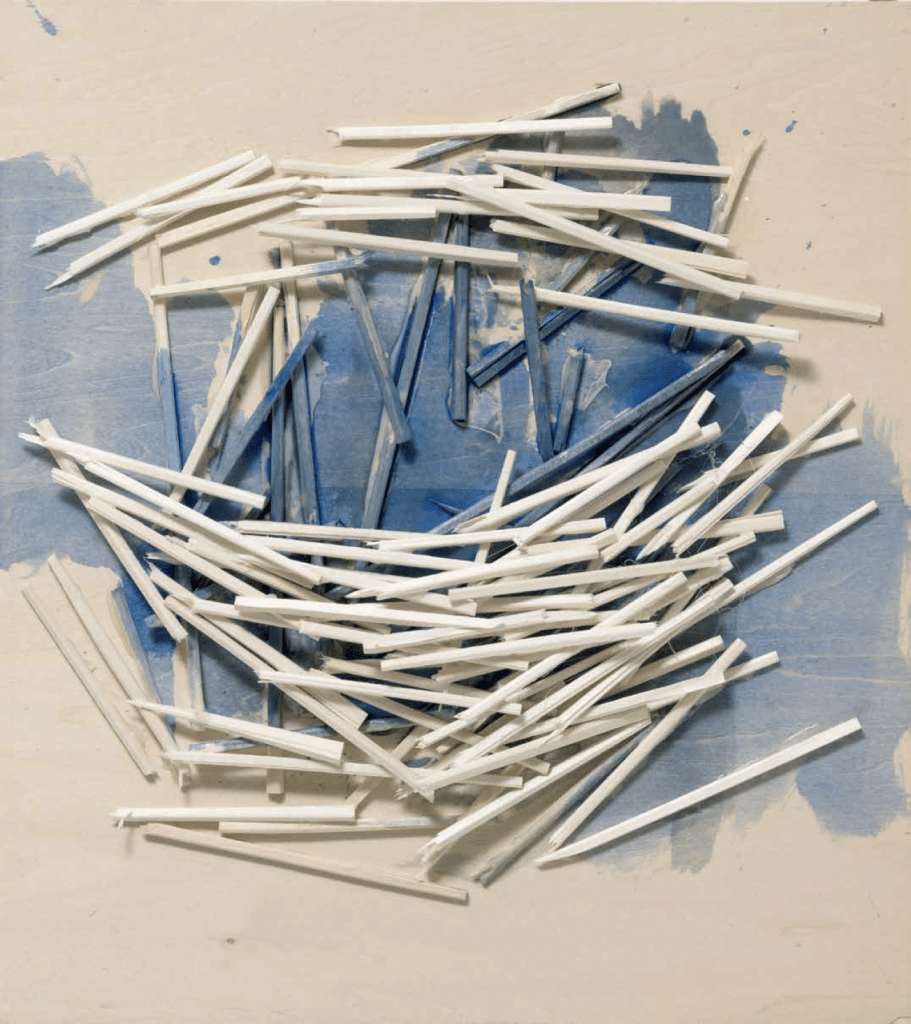
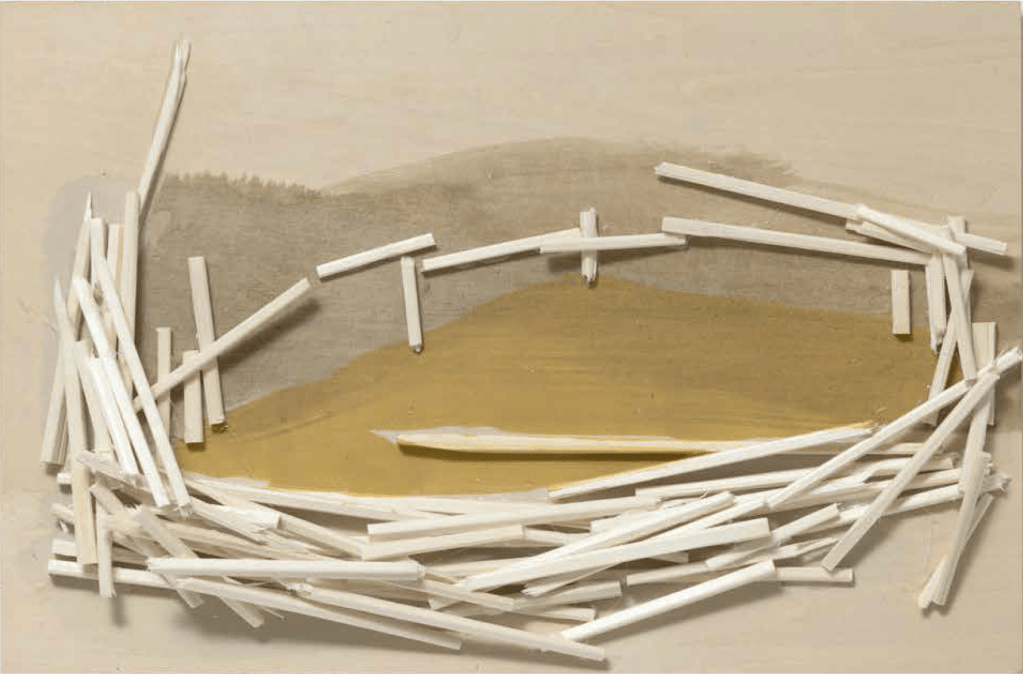
While not all maquettes belong to a specific project or defined series, several recurring themes run through Kawamata’s production, ranging from – though not exhaustively — Favela, Tsunami, Destruction, Tree Hut, and Tsumari, to the more abstract and recent Landscape works.
Favela
Tsunami
Destruction
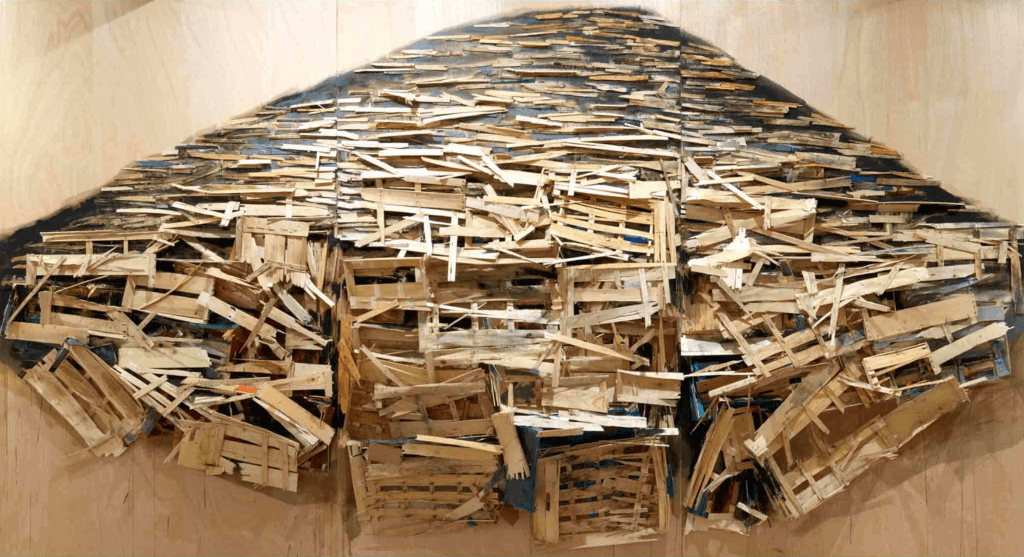
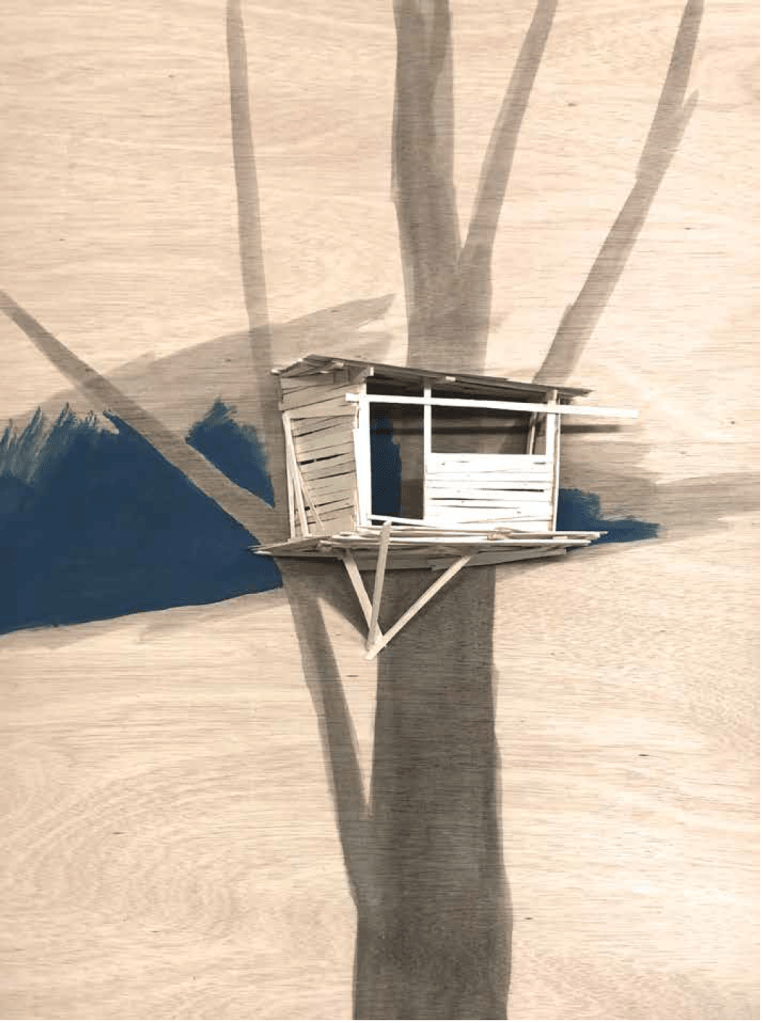
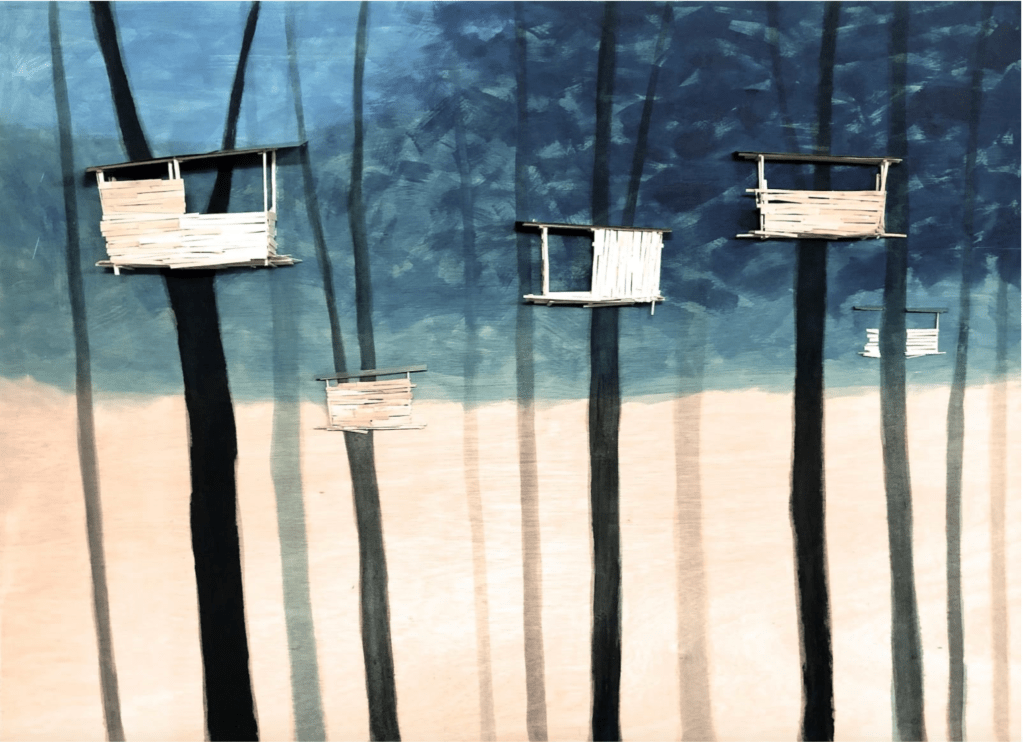
Tree Hut
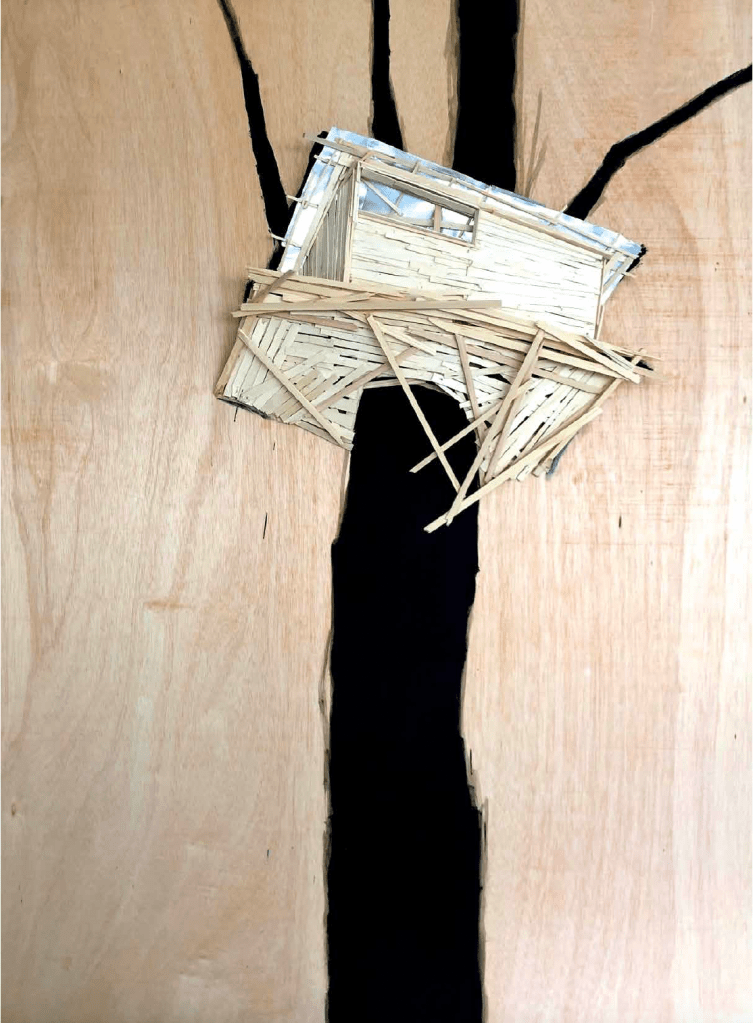
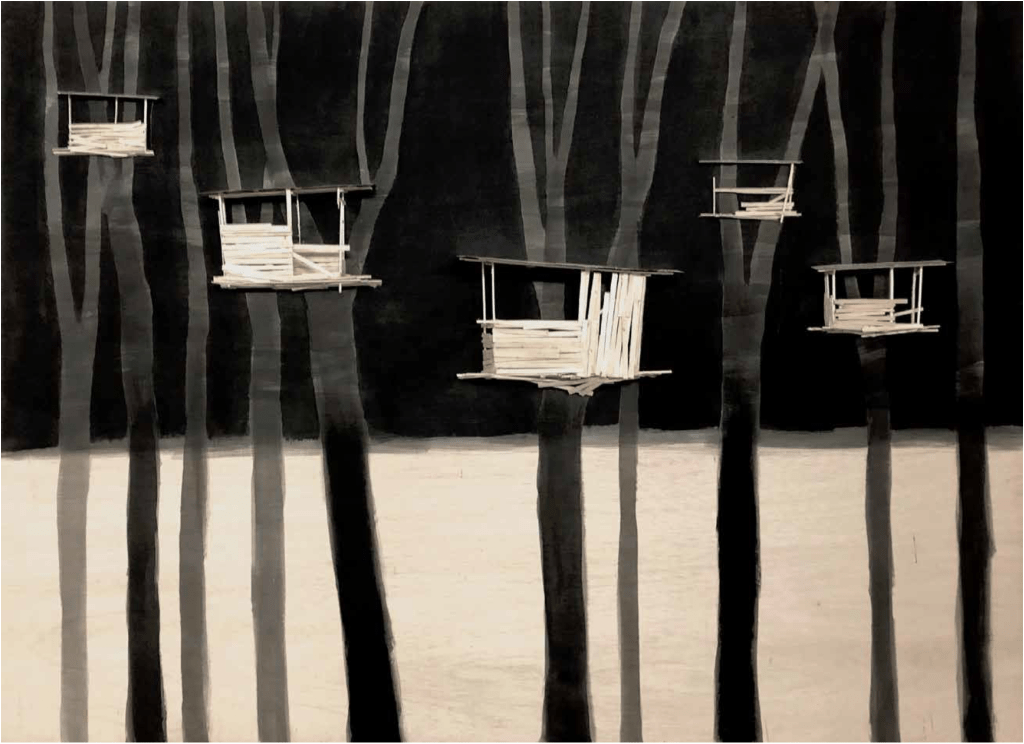
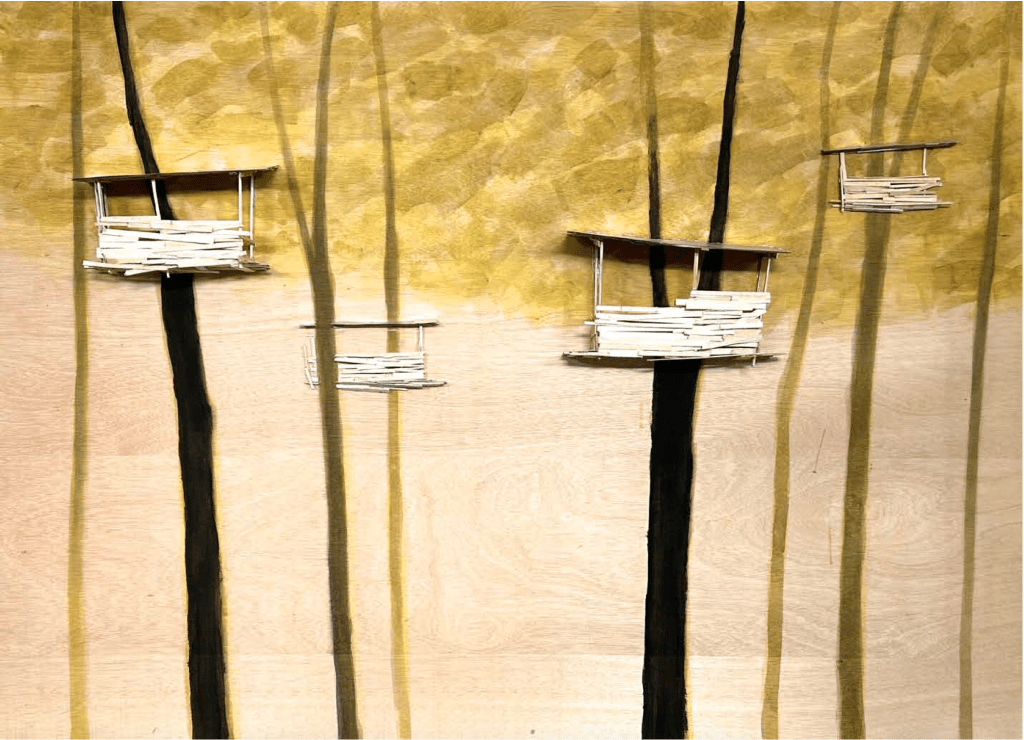
Tsumari
Landscape